
The Great Visa Crisis: Why the 2026 World Cup Closed Its Borders to Fans
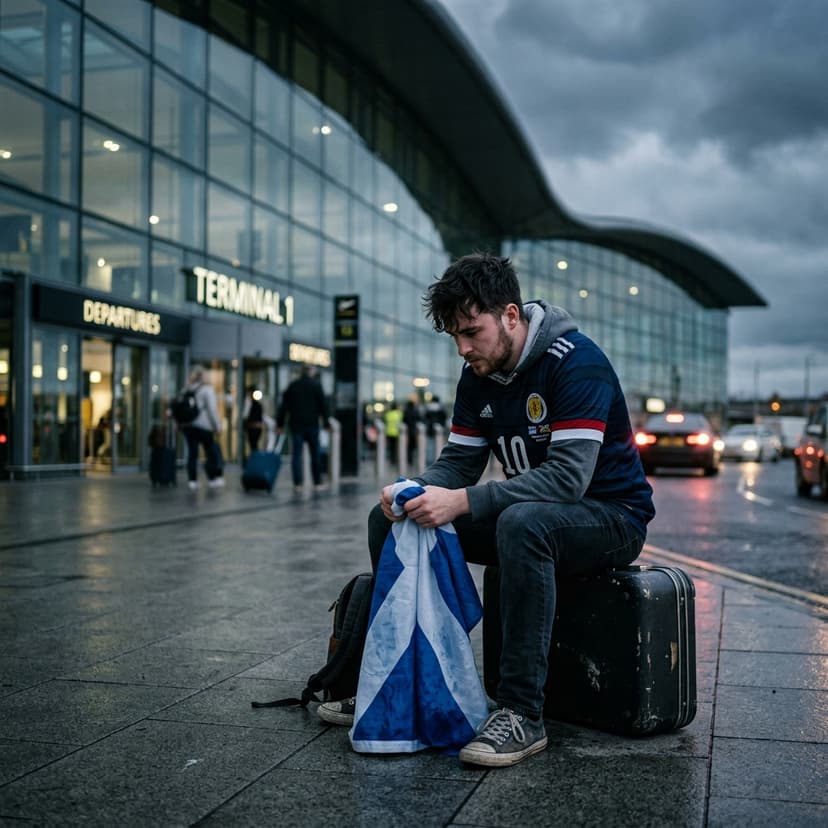
Restrictive visa policies in the US and Canada led to rejection rates of up to 65% for fans, journalists, and team officials from South America, Africa, and Asia, leaving several World Cup stadiums with noticeably empty stands.
Table of Contents
The 2026 World Cup promised to be the most inclusive and accessible tournament in football history, spanning three North American nations. However, the reality of border control policies has led to a major logistical crisis. Host nations, particularly the United States and Canada, have rejected high volumes of tourist visa applications, locking out fans and journalists from multiple participating countries.
Staggering Visa Rejection Rates by Region
Reports suggest that fans from Africa, South America, and parts of Asia faced rejection rates exceeding 60%, even when holding valid match tickets and accommodation bookings. This strict vetting process has turned empty seats into a recurring visual theme at stadiums during the group stages, ruining the vibrant international atmosphere typical of a FIFA World Cup. In some stadiums, entire sections reserved for traveling fans remained empty, contrasting sharply with the sold-out stats reported by organizers.
Impact on Media, Teams, and FIFA's Inclusivity Promise
It was not just fans who were blocked; several certified international journalists and support staff members were unable to secure entry visas. Football federations have lodged official complaints with FIFA, arguing that the restrictive policies undermine the tournament's spirit and violate host agreement promises of equal access for all qualified nations. Many teams had to play without their native media presence, reducing the global hype of the games.
Class Action Lawsuits and Financial Fallout
In response, local fan collectives and human rights organizations are organizing legal action. Group lawsuits are being prepared to demand complete refunds for expensive ticket packages and non-refundable flights from fans who were rejected for entry visas despite having official match documentation, putting legal pressure on FIFA and host organizing committees. This widespread visa crisis raises key questions about the suitability of co-hosting models in nations with strict border controls.
Related Team Schedules


Featured Host Cities
New York/New Jersey
USA
Serviced by three major airports: Newark Liberty (EWR) which is closest to the stadium, John F. Kennedy (JFK), and LaGuardia (LGA). All connect to transit.
Dallas
USA
Fly into Dallas/Fort Worth International Airport (DFW) — a massive global hub — or Dallas Love Field (DAL) for domestic connections.
Los Angeles
USA
Serviced by Los Angeles International Airport (LAX), Ontario (ONT), John Wayne (SNA), and Hollywood Burbank (BUR).
Featured Host Stadiums
MetLife Stadium
New York/New Jersey, USA
Cap: 82,500
AT&T Stadium
Dallas, USA
Cap: 80,000
SoFi Stadium
Los Angeles, USA
Cap: 70,240
Frequently Asked Questions
Why are World Cup 2026 visa applications being rejected?
Strict national immigration policies and security vetting by host countries have led to high rejection rates.
How does the visa crisis affect stadium atmosphere?
The rejection of thousands of international fans has left some matches with empty seats and less crowd noise.
Marcus Bellanger
Travel & Logistics Editor
Marcus has covered three previous World Cups on the ground, planning multi-city fan routes across Russia, Qatar and Brazil. He focuses on flights, border crossings and getting fans from airport to turnstile without missing kick-off.
Focus areas: Multi-city itineraries · Visas & border crossings · Matchday transit
Editorial standards: see our editorial policy and corrections policy.
Article Specs
Looking for the full match calendar?
Get the complete 104-fixture schedule with timezone conversions.