FIFA World Cup 2026 Win & Match Probability Calculator
Run simulated match outcomes or estimate the probability of any team winning the tournament.
⚠️
IMPORTANT: Legal & Investment Disclaimer
This calculator is purely an interactive simulation tool designed for entertainment and educational purposes. The probabilities, win rates, and predicted scorelines generated are based on statistical approximations and historical metrics. They do NOT constitute sports betting advice, financial advice, or investment advice. There is no guarantee of accuracy. Always gamble responsibly and do not place bets based on the predictions generated here.
Live Data Engine · ELO + Form + Goal IndexPowered by in-tournament match results
Premium Analyst Gear
Recommended Hardware for Data Analysis and Prediction Modeling
Running complex simulations or building sports databases late at night requires dedicated equipment. We recommend these highly rated hardware tools to optimize your workspace efficiency.
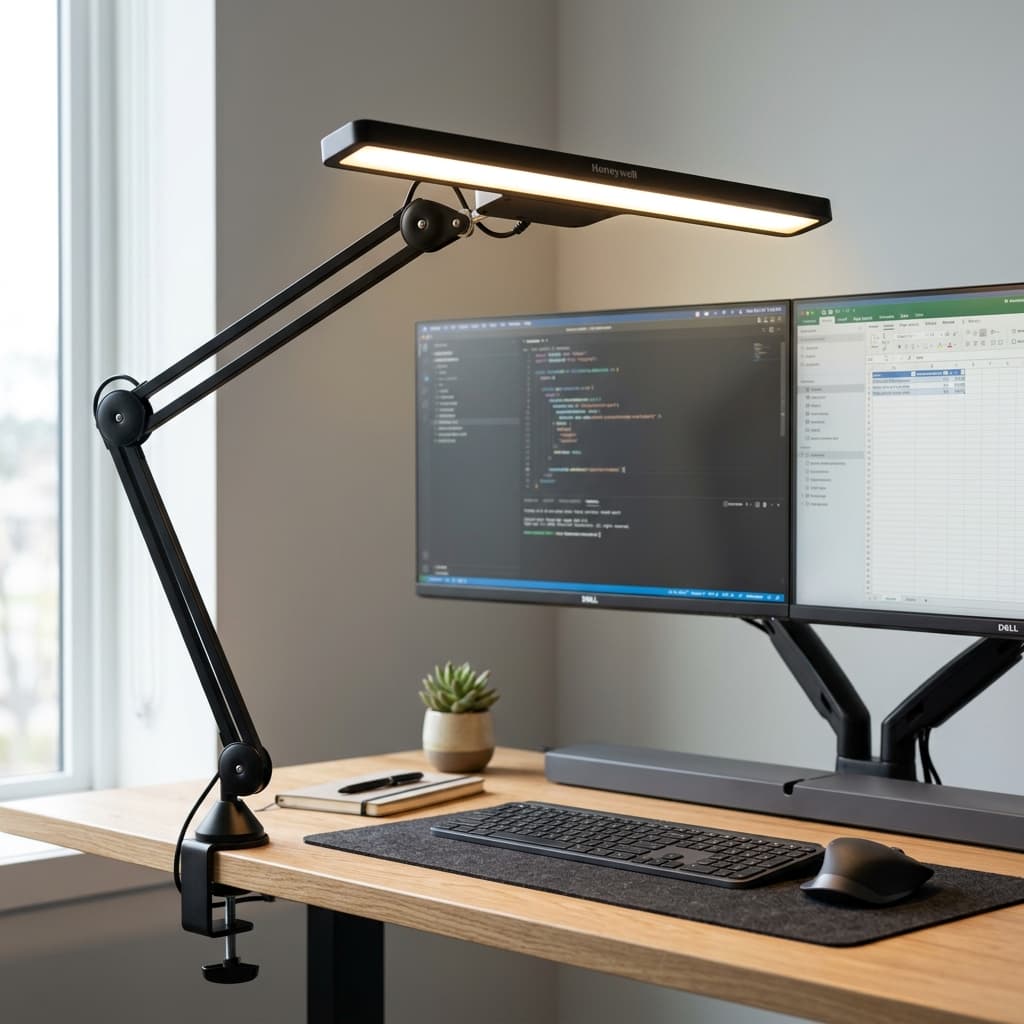
Honeywell Wide Desk Lamp with Clamp
This wide LED desk lamp is designed for home offices with dual monitors. It features eye-caring full-spectrum light, adjustable sections, and stepless dimming from 3000K to 5700K.
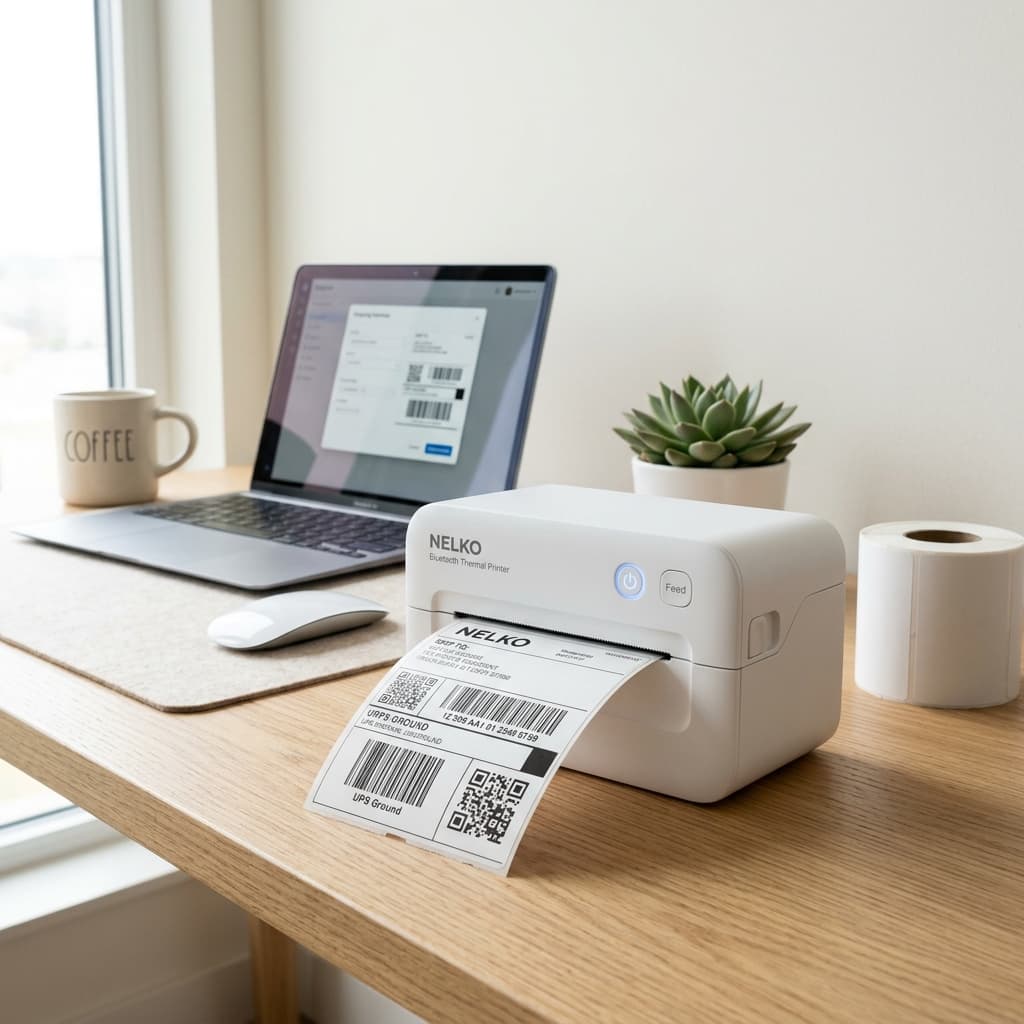
A wireless shipping label printer that operates via Bluetooth with Android, iPhone, and Windows. Highly useful for printing custom match logs or predictions without ink.
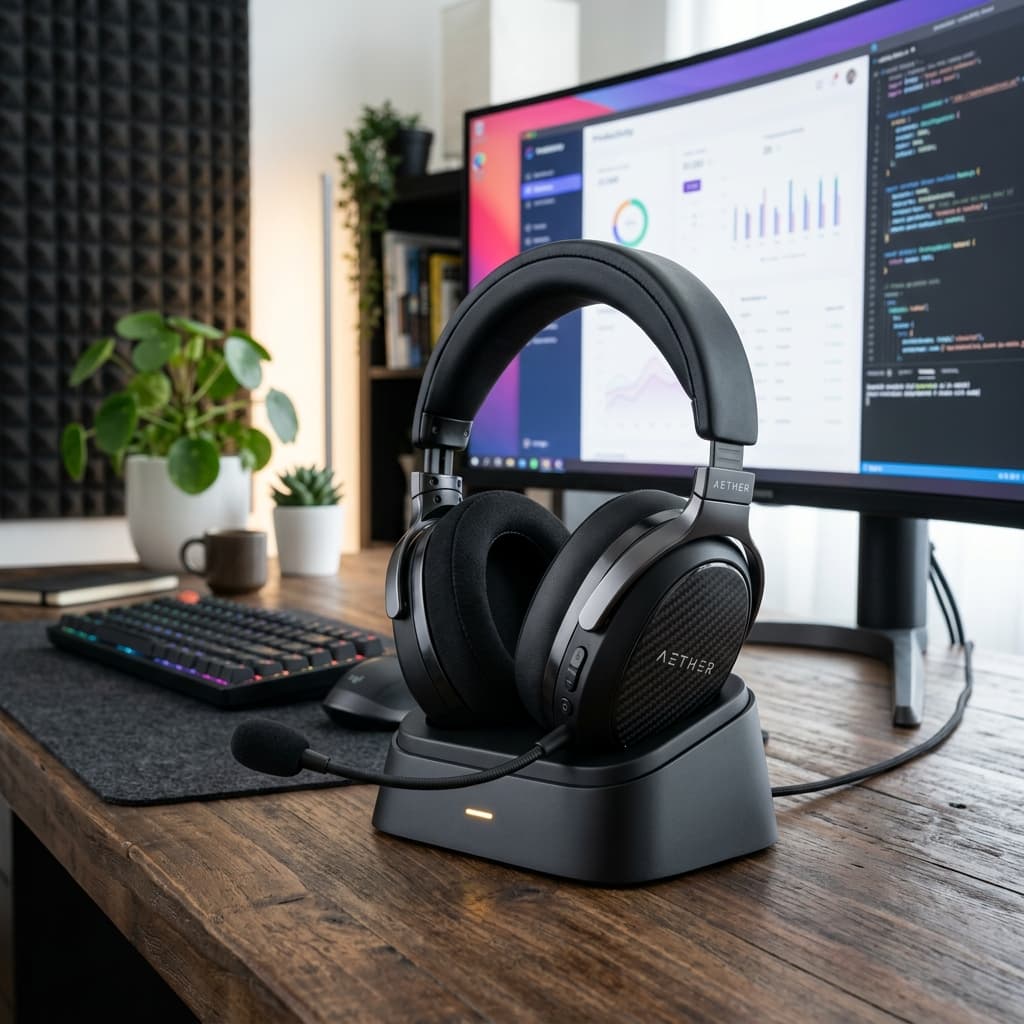
A wireless noise-cancelling headset featuring a dedicated charging stand and mute controls. Engineered for long analysis sessions, clear communication, or immersive sound.
Simulating the FIFA World Cup 2026: Mathematical Modeling & Calculations
The expansion of the FIFA World Cup 2026 to 48 teams competing in 12 groups of 4 has drastically altered the tournament dynamics. With an additional round of 32 knockout matches, the champion must survive an grueling 8-match schedule. Under this expanded format, traditional predictions are more challenging than ever. Our win probability calculator uses structured mathematical modeling to help fans analyze which teams benefit from host advantages, squad depth, and tactical structures.
How Our Probability Matrices Are Calculated
To predict the outcome of a hypothetical or scheduled fixture, our simulator calculates an offensive and defensive rating for each selected national team. This rating is derived from:
FIFA Ranking Index: The foundational baseline for team experience and global performance trends.
Squad Market Valuation: Reflects the depth and individual quality of players competing in elite leagues.
Confederation Modifiers: Historically, teams from UEFA and CONMEBOL perform at higher intensities in deep knockout stages compared to other zones.
Home Continent Coefficients: Adjusts for stadium locations, reducing travel weariness for local host nations.
Understanding Tournament Winner Path Estimations
When running simulations for the overall tournament champion, the calculator simulates all 104 matches, from the opening matchday to the final at MetLife Stadium. Since the top two teams from each group, plus the eight best third-placed teams, qualify for the Round of 32, group-stage margins are slightly more forgiving. However, the introduction of an extra single-elimination round multiplies the probability of sudden upsets. Teams with defensive discipline and elite goalkeeping tend to outperform expected values in these high-stress simulation brackets.
Disclaimer & Responsible Gaming
We reiterate that football remains inherently unpredictable. Dynamic factors such as matchday weather, red cards, VAR decisions, and injuries to key players cannot be fully modeled by any mathematical simulator. This tool should be used to understand statistical distributions and historical parameters, rather than as a guide for real-world betting.
Disclaimer (No Betting Advice)
All probabilities and outcome scenarios displayed on this page are computed for educational and fan entertainment purposes only. FootballRoute does not provide betting recommendations or guarantee any match results.
Frequently Asked Questions: World Cup Probability Calculator
Our simulator compiles team strength coefficients using a weighted index of official FIFA rankings, estimated squad market values, recent international forms, and home advantage factors. It runs Monte Carlo algorithms to determine win/draw/loss matrices and final tournament paths.
Absolutely not. All predictions, probabilities, and simulated scores generated by this calculator are for informational and entertainment purposes only. They do not constitute investment advice, sports betting recommendations, or financial advice. Bet at your own risk.
Host nations (the United States, Mexico, and Canada) receive a slight statistical adjustment boost. Historically, playing in front of host crowds in familiar stadiums reduces travel fatigue and elevates matchday efficiency, which is accounted for in our mathematical models.
The Head-to-Head simulator calculates probabilities based on a standard 90-minute regulation scoreline (including group stage draws). In knockout scenarios, draws are resolved via extra time and penalty shootouts, which are modeled separately in the tournament-wide winner path predictions.